User Journeys
How guests, staff, managers, and finance teams move through the platform.
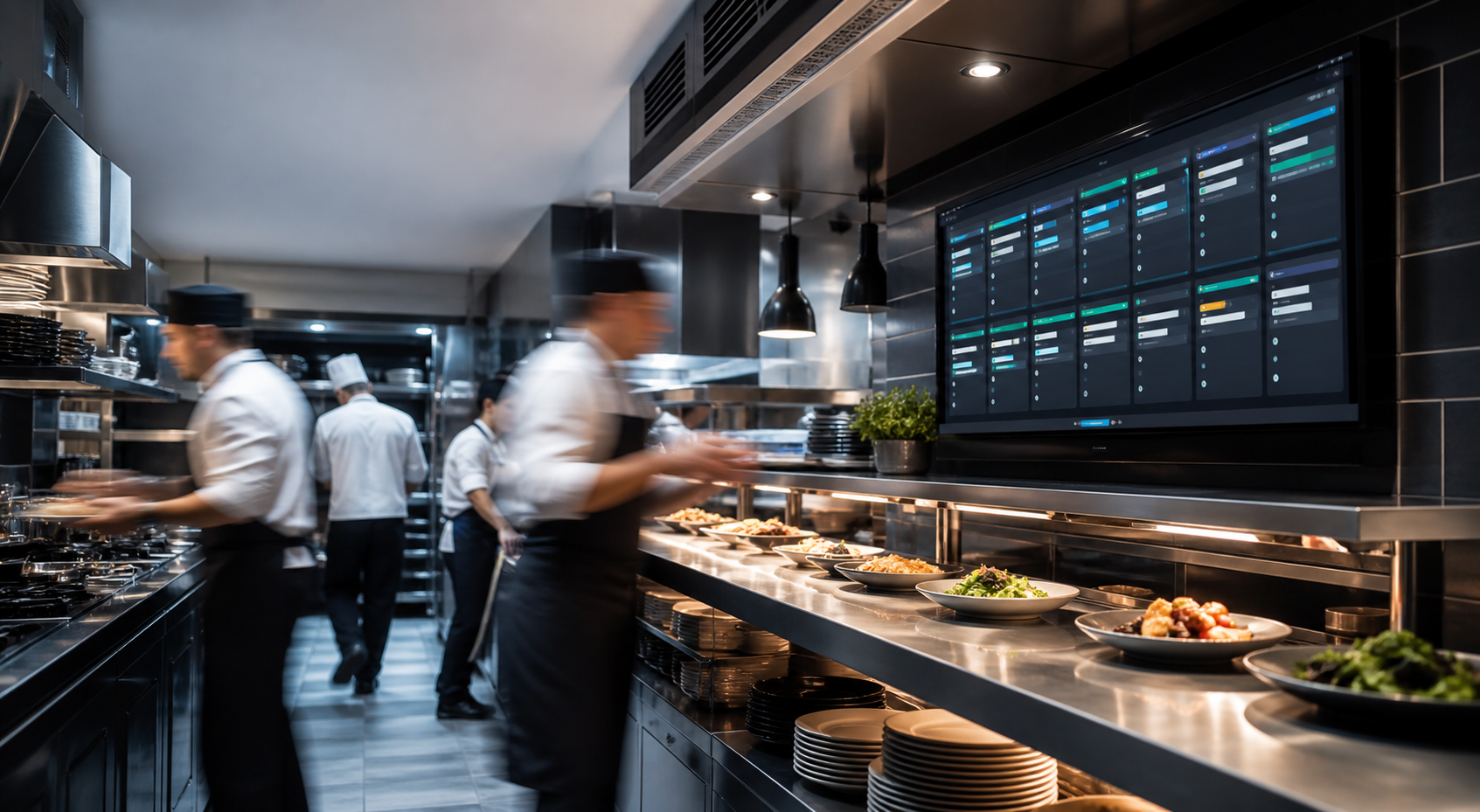
Visual direction
Journeys reduce ambiguity before development
Mapping each journey early keeps scope clear and helps the client validate where automation, staff action, and payment confirmation happen.
Journey map
Five roles, one connected operating loop.
The proposal should show that each user sees a simple flow, while ZadLab designs the shared data, validation, realtime updates, and audit trail that keep the restaurant running correctly.
Front of house
Guest and waiter actions stay tied to table context.
Operations
Kitchen and manager views react to live order state.
Finance
Payment, receipt, refund, and export records reconcile back to orders.
01
Guest
Fast ordering with clear payment confidence
The guest journey must feel lightweight, trustworthy, and branded from the first QR scan through receipt and feedback.
Platform signal
The platform resolves branch, table, language, availability, taxes, fees, discounts, and payment state behind the scenes.
Outcome
Less waiting, fewer manual handoffs, and stronger checkout completion.
02
Kitchen
A readable production queue with fewer order mistakes
Kitchen screens need to convert guest selections into clear preparation work, with modifiers and notes visible at the right time.
Platform signal
Realtime order events route item context to the right queue while the database remains the source of truth.
Outcome
Cleaner production flow, fewer missed notes, and faster readiness updates.
03
Waiter
Service actions connected to exact table context
Waiters need quick visibility into table requests, order state, cash/card-machine flows, and delivery from kitchen to table.
Platform signal
Table sessions, service calls, and order states stay linked so staff can act without asking the guest to repeat context.
Outcome
Faster service response and less confusion between kitchen, table, and cashier.
04
Manager
Operational control during live service
Managers need to adjust the restaurant in real time while still seeing reliable reporting and permission-safe staff actions.
Platform signal
Role permissions, audit trails, menu versioning, and branch filters keep daily decisions controlled and traceable.
Outcome
Better operational visibility, fewer uncontrolled changes, and clearer branch performance.
05
Finance
Payment reconciliation that finance can defend
Finance needs every captured payment, refund, receipt, service fee, tax value, and export tied back to a specific order.
Platform signal
Payment webhooks, idempotency keys, order ledgers, and exports make settlement review reliable instead of spreadsheet-driven.
Outcome
Cleaner reconciliation, faster month-end work, and stronger audit readiness.
What each actor needs
Speed, clear pricing, simple modifiers, trusted checkout, and receipt visibility.
Readable order queue, item notes, preparation status, and priority awareness.
Table context, service calls, order state, and fast handoff between kitchen and guest.
Menu control, staff roles, live operations, branch performance, and exception handling.
Payment reconciliation, refunds, settlement exports, tax/service fee visibility, and audit trail.
System touchpoints behind the journeys
Identify restaurant, branch, table, order mode, and guest session before showing the correct menu.
Recalculate availability, modifiers, discounts, taxes, service fees, and totals before order creation or payment.
Push order, preparation, waiter-call, and payment-status events to kitchen, service, and management screens.
Link provider webhooks, refunds, receipts, exports, and staff actions back to the internal order record.